The modern fitness world is evolving.
For decades, traditional gym workouts dominated strength training. Today, Pilates has emerged as a powerful alternative — focusing on controlled movement, spinal health, and functional strength.
So which one is better: Pilates or the gym?
The answer depends on your goals, body type, injury history, and long-term health priorities.
This guide breaks down the real differences between Pilates and gym training — from biomechanics to muscle development — so you can decide what fits you best.
1. The Core Difference: Resistance Type
The biggest difference between Pilates and gym workouts lies in how resistance is applied.
Gym Training: Constant Load
In a traditional gym, resistance comes from:
- Dumbbells
- Barbells
- Weight plates
- Machine stacks
These use gravity-based resistance. The weight remains constant throughout the movement.
This method is excellent for:
- Building muscle mass (hypertrophy)
- Increasing maximum strength
- Improving bone density
Pilates: Variable Spring Resistance
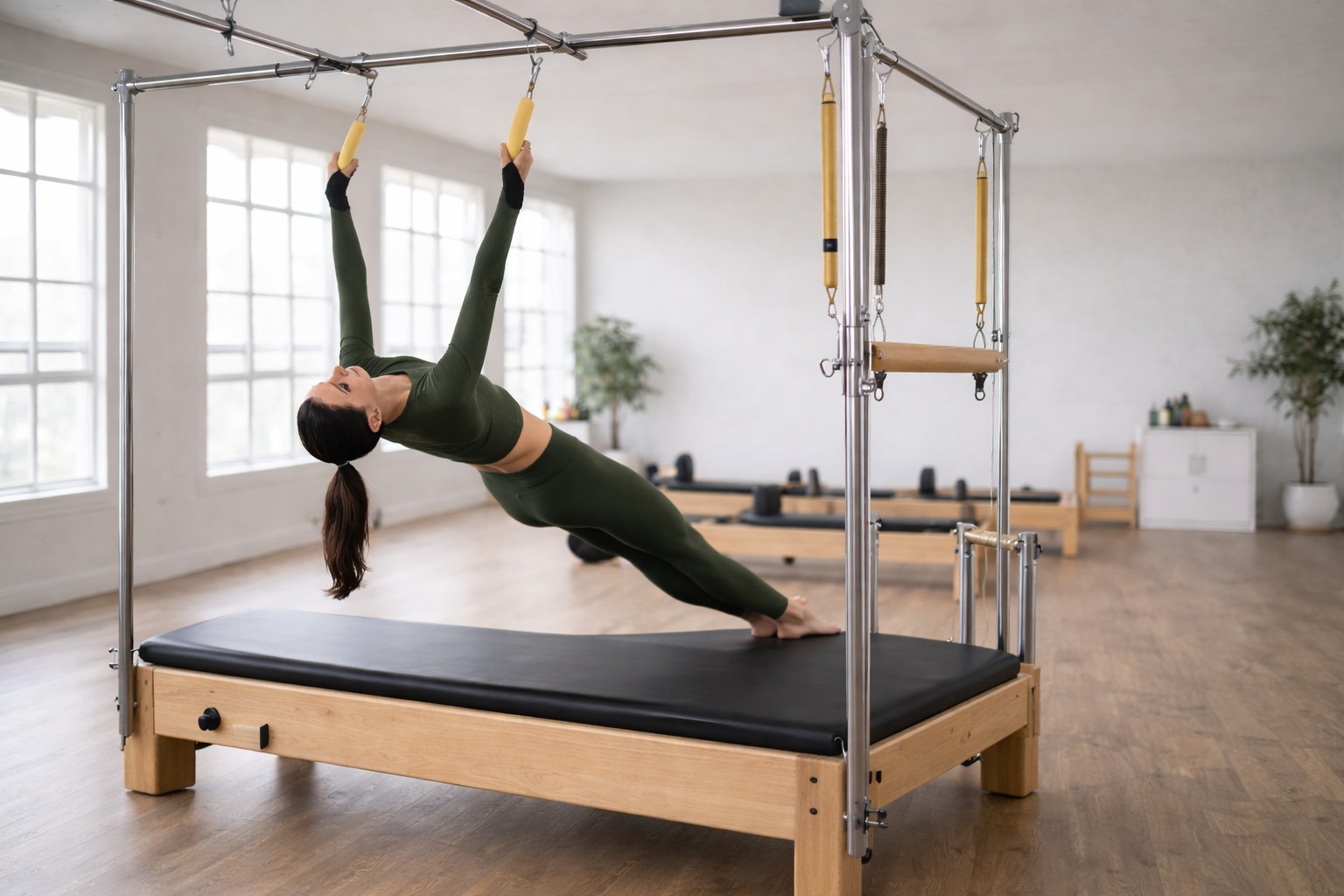
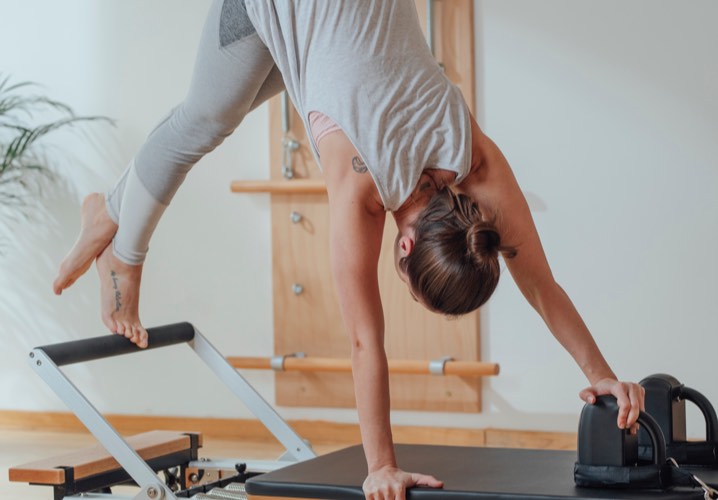
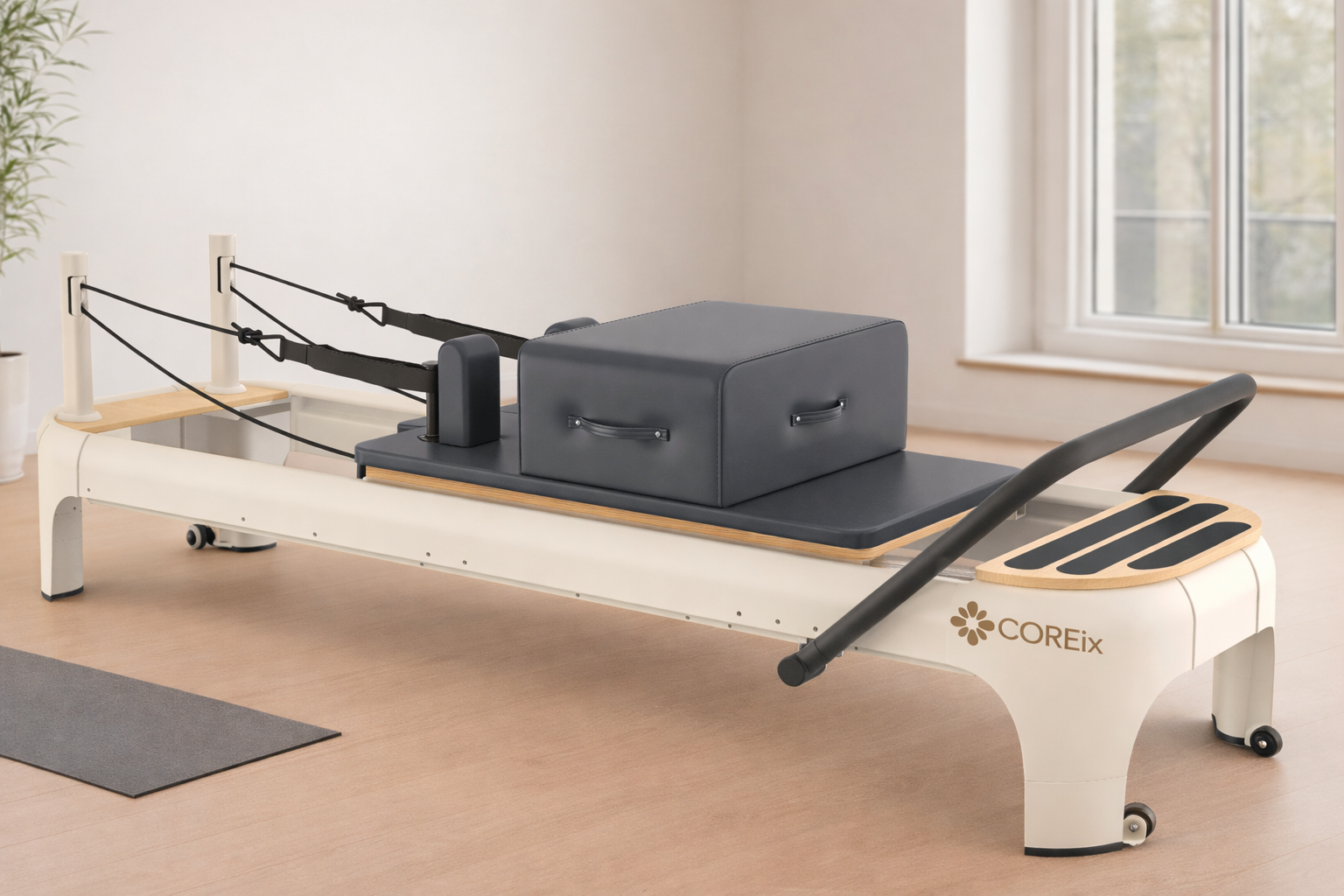
Pilates equipment uses adjustable springs.
Resistance increases as you move through the range of motion. This creates:
- Controlled eccentric loading
- Joint-friendly resistance
- Smooth tension curves
- Greater muscle control
Instead of just lifting weight, you are controlling resistance throughout the entire movement.
2. Muscle Development: “Gym Body” vs “Pilates Body”
Gym Training Focuses On:
- Type II (fast-twitch) muscle fibers
- Visible muscle growth
- High-load compound movements
Result:
Stronger, larger muscle groups. Ideal for power and size.
Pilates Focuses On:
- Deep stabilizer muscles
- Transverse abdominis
- Multifidus
- Pelvic floor
Result:
Lean, toned muscles with improved posture and flexibility.
Pilates builds strength without excessive bulk.
3. Core Strength: Surface vs Deep Stability
In the gym, core training often means:
- Crunches
- Leg raises
- Ab machines
These target visible abs.
Pilates prioritizes the “deep core” — muscles that act like an internal support belt.
This leads to:
- Better spinal alignment
- Reduced lower back pain
- Improved posture
- Stronger movement foundation
For people with chronic back pain, Pilates is often more effective than traditional gym workouts.
4. Injury Risk & Joint Impact
Gym Workouts
Pros:
- Excellent for bone density
- High strength development
Cons:
- Heavy compressive load on joints
- Higher injury risk if form breaks
- Can aggravate existing back issues
Pilates
Pros:
- Low-impact
- Minimal joint compression
- Controlled movements
- Suitable for rehabilitation
Pilates is often recommended for:
- Seniors
- Postpartum recovery
- Chronic pain sufferers
- Athletes recovering from injury
5. Flexibility & Mobility
Gym workouts often improve strength but may reduce flexibility if stretching is ignored.
Pilates integrates mobility directly into strength training.
Equipment-based Pilates allows:
- Spinal extension
- Rotation
- Controlled stretching
- Postural correction
If you sit for long hours, Pilates directly counters modern posture problems.
6. Weight Loss & Fat Burning
Both Pilates and gym workouts can support fat loss.
Gym Training
- Burns higher calories in short time
- Boosts metabolism via muscle gain
- Ideal for aggressive fat loss goals
Pilates
- Improves muscle tone
- Enhances metabolic efficiency
- Sustainable long-term training
For rapid fat loss, gym training may show quicker results.
For sustainable body transformation, Pilates offers longevity.
7. Mental Focus & Mind-Body Connection
Gym workouts often emphasize intensity.
Pilates emphasizes:
- Breath control
- Movement precision
- Neuromuscular awareness
Many practitioners report:
- Reduced stress
- Better body awareness
- Improved movement quality
This is why Pilates is often described as both physical and neurological training.
8. Who Should Choose Pilates?
Choose Pilates if you:
- Have back or joint pain
- Want improved posture
- Prefer low-impact training
- Want lean muscle tone
- Value flexibility and balance
- Are new to exercise
9. Who Should Choose the Gym?
Choose the gym if you:
- Want maximum muscle growth
- Train for power sports
- Focus on heavy strength development
- Want faster fat loss intensity
- Aim to improve bone density aggressively
10. The Hybrid Approach (Best of Both Worlds)
The most advanced fitness approach combines both.
Gym training builds raw strength.
Pilates improves:
- Stability
- Alignment
- Joint control
- Mobility
Many athletes now integrate Pilates to prevent injuries and enhance lifting performance.
Final Verdict: Pilates or Gym?
There is no universal winner.
If your goal is longevity, posture, core strength, and sustainable conditioning — Pilates is ideal.
If your goal is maximum size, strength, and explosive power — gym training is powerful.
If you want complete performance — combine both.
The best program is the one aligned with your body and long-term health.