The Pilates industry in India is evolving rapidly. From boutique wellness studios to performance-focused facilities, demand for structured movement training is increasing across urban markets.
If you are planning to open a Pilates studio in India, this guide will walk you through the complete process — from planning and equipment selection to cost estimation and launch.
This is not about trends. It is about building a studio that lasts.
Is Opening a Pilates Studio in India Profitable?
Yes — if planned correctly.
Urban centers like Mumbai, Delhi, Bangalore, Hyderabad, and Pune are seeing growing demand for:
- Low-impact strength training
- Rehabilitation-focused movement
- Posture correction programs
- Private and small-group sessions
Pilates studios typically operate on:
- Monthly memberships
- Package-based training
- Private sessions
- Rehabilitation programs
- Add-on recovery services
With proper equipment selection and structured programming, studios can reach operational break-even within 8–18 months depending on scale.
The key is clarity in positioning and investment planning.
Step 1: Define Your Studio Model
Before buying equipment, decide your studio format.
1. Starter Boutique Studio
- 3–4 reformers
- Small group sessions
- 600–900 sq ft
- Ideal for first-time entrepreneurs
2. Professional Studio
- Reformers + Cadillac + Chairs
- 1000–1500 sq ft
- Balanced group & private training
3. Performance Studio (Advanced Model)
- Full equipment ecosystem
- Integrated recovery zone
- 1500–2500+ sq ft
- Premium positioning
Your model determines your space, investment, and pricing strategy.
Step 2: Space Requirements for a Pilates Studio
The minimum space required depends on equipment layout.
Recommended Planning Guidelines:
- One Reformer requires approx. 50–60 sq ft (including circulation space)
- Ceiling height minimum: 9 feet
- Proper ventilation and natural light improve client experience
- Separate consultation area recommended
- Storage space for accessories is essential
A well-planned layout improves safety, flow, and instructor efficiency.
Step 3: Essential Pilates Equipment for a Studio
Your equipment determines both your service quality and long-term durability.
Core Equipment List:
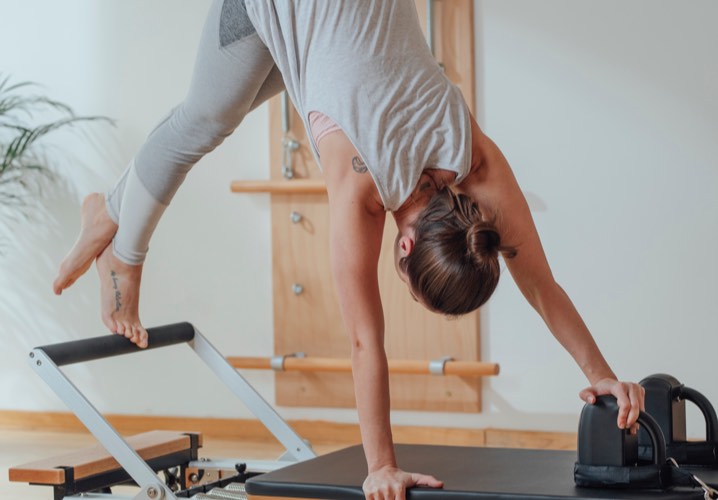
- Pilates Reformers (foundation equipment)
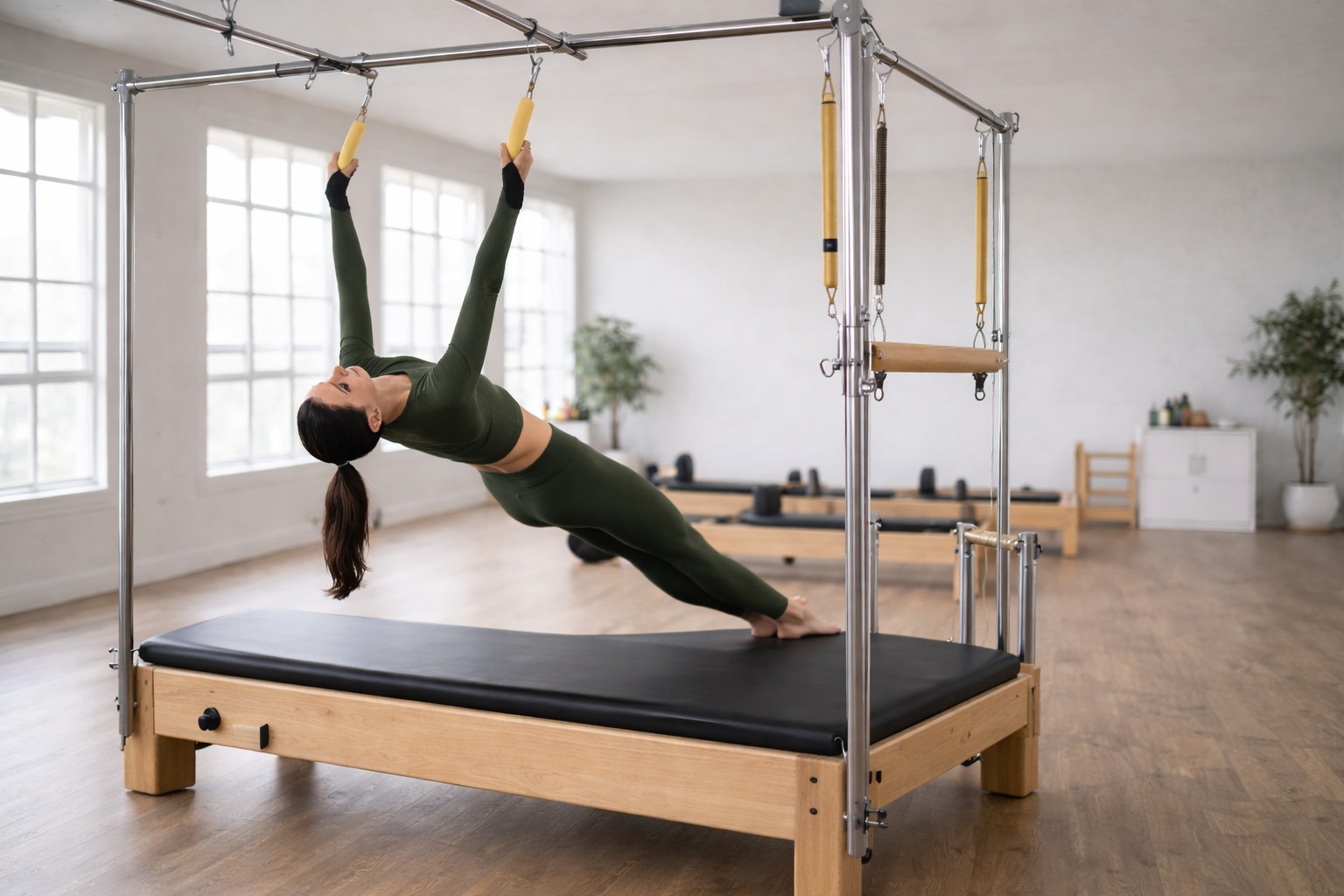
- Cadillac / Trapeze Table
- Wunda Chairs
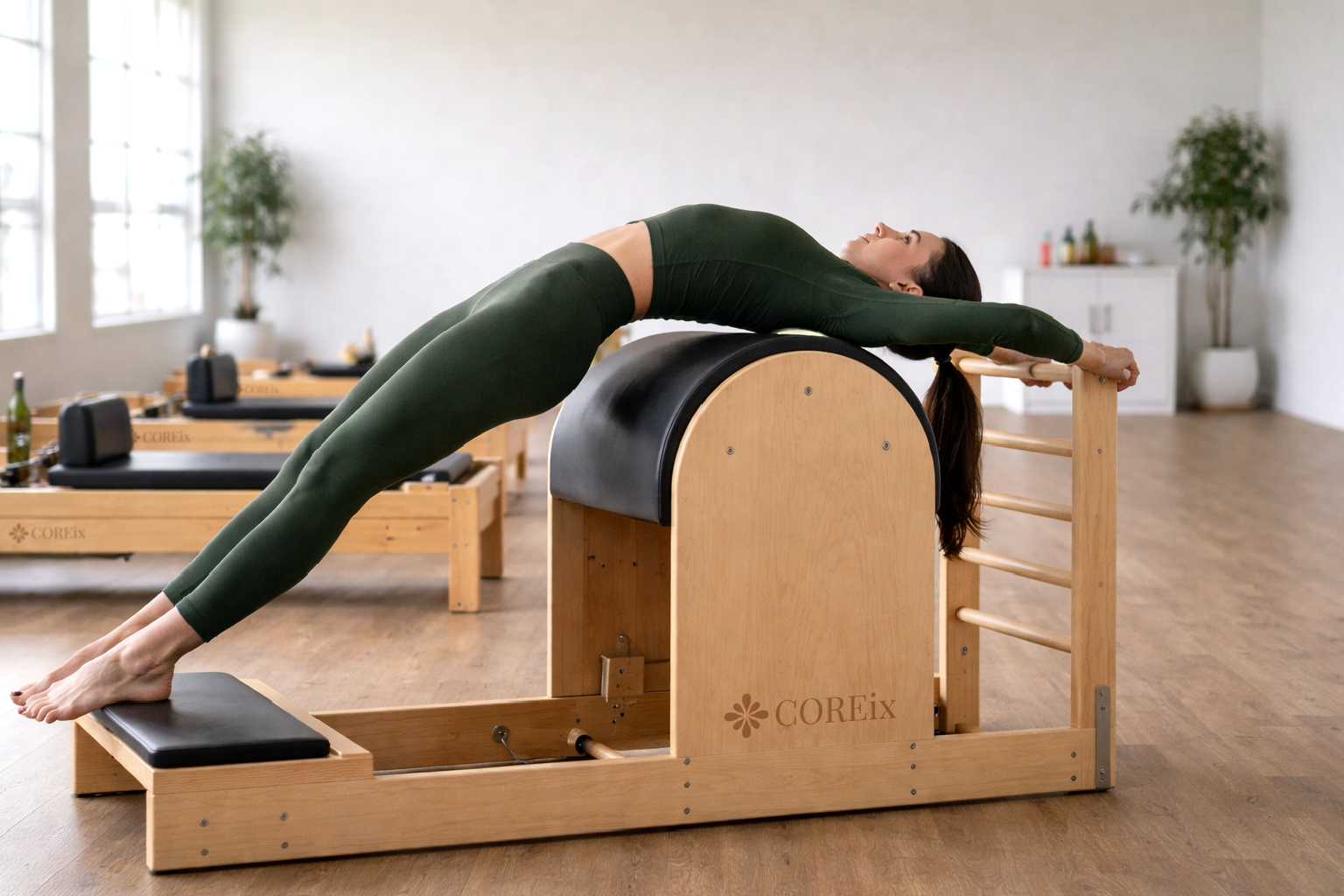
- Ladder Barrel or Spine Corrector
- Small props (rings, bands, balls)
For commercial use, equipment must have:
- High load capacity
- Stable frame construction
- Replaceable springs and parts
- Service support availability
Avoid home-use machines for professional studios. They are not built for daily multi-client use.
Step 4: Pilates Studio Setup Cost in India
The cost varies based on size and equipment quality.
Approximate Investment Range (2026 Estimates)
Starter Studio:
₹15–25 lakhs
Professional Studio:
₹30–50 lakhs
Elite Performance Studio:
₹60 lakhs and above
This includes:
- Equipment
- Interior setup
- Flooring
- Mirrors
- Branding
- Initial marketing
- Working capital buffer
Quality equipment is a long-term asset. Cutting cost at this stage often leads to higher maintenance later.
Step 5: Licenses & Registrations Required
In India, you typically need:
- GST Registration
- Trade License (local municipal authority)
- Shop & Establishment Registration
- Fire Safety Clearance (depending on size)
- Professional Tax Registration (state dependent)
Consult a local CA for compliance clarity.
Step 6: Hiring and Training Instructors
The success of your studio depends on coaching quality.
Look for instructors who understand:
- Alignment principles
- Controlled movement
- Injury awareness
- Client assessment
Many studio owners invest in structured onboarding and continuing education to maintain consistency across sessions.
Training is not an expense. It is an operational foundation.
Step 7: Should You Add Recovery & Technology?
Modern studios are integrating:
- Posture analysis tools
- Ice bath recovery systems
- Sauna recovery zones
This creates:
- Additional revenue streams
- Premium positioning
- Client retention advantage
Studios that move beyond “exercise only” create long-term differentiation.
Step 8: Independent Studio vs Franchise Model
You have two primary paths.
Independent Studio
- Full control
- Brand-building responsibility
- Flexible equipment sourcing
Franchise Model
- Structured setup support
- Equipment + training bundle
- Business SOP guidance
- Marketing templates
Your decision depends on your experience level and risk appetite.
Step 9: Timeline to Launch
A realistic timeline:
1–2 months: Planning & location finalization
2–3 months: Equipment procurement & interior setup
1 month: Instructor training & pre-launch marketing
Total: 4–6 months average launch timeline.
Proper planning prevents rushed decisions.
Final Checklist Before Opening
- Finalized studio model
- Confirmed equipment supplier
- Clear budget allocation
- Instructor recruitment complete
- Marketing pre-launch campaign ready
- Soft launch scheduled
Opening a Pilates studio is not just about equipment. It is about building a structured movement environment.
Conclusion
The Pilates industry in India is expanding — but success depends on clarity, quality, and long-term thinking.
A well-engineered studio setup, supported by proper training and structured planning, creates both financial stability and professional credibility.
If you are planning to start a Pilates studio in India, begin with structure. Growth follows alignment.